How we control wood flooring quality on site
The projects above are scoped, prepared and finished against a consistent set of practical controls. We cite international and Singapore standards as inputs to our process — they shape how we check substrates, condition timber, sand and finish, and lay out sports lines. A certified-compliance claim is only made when a specific test report or manufacturer document exists for that project.
Moisture and substrate
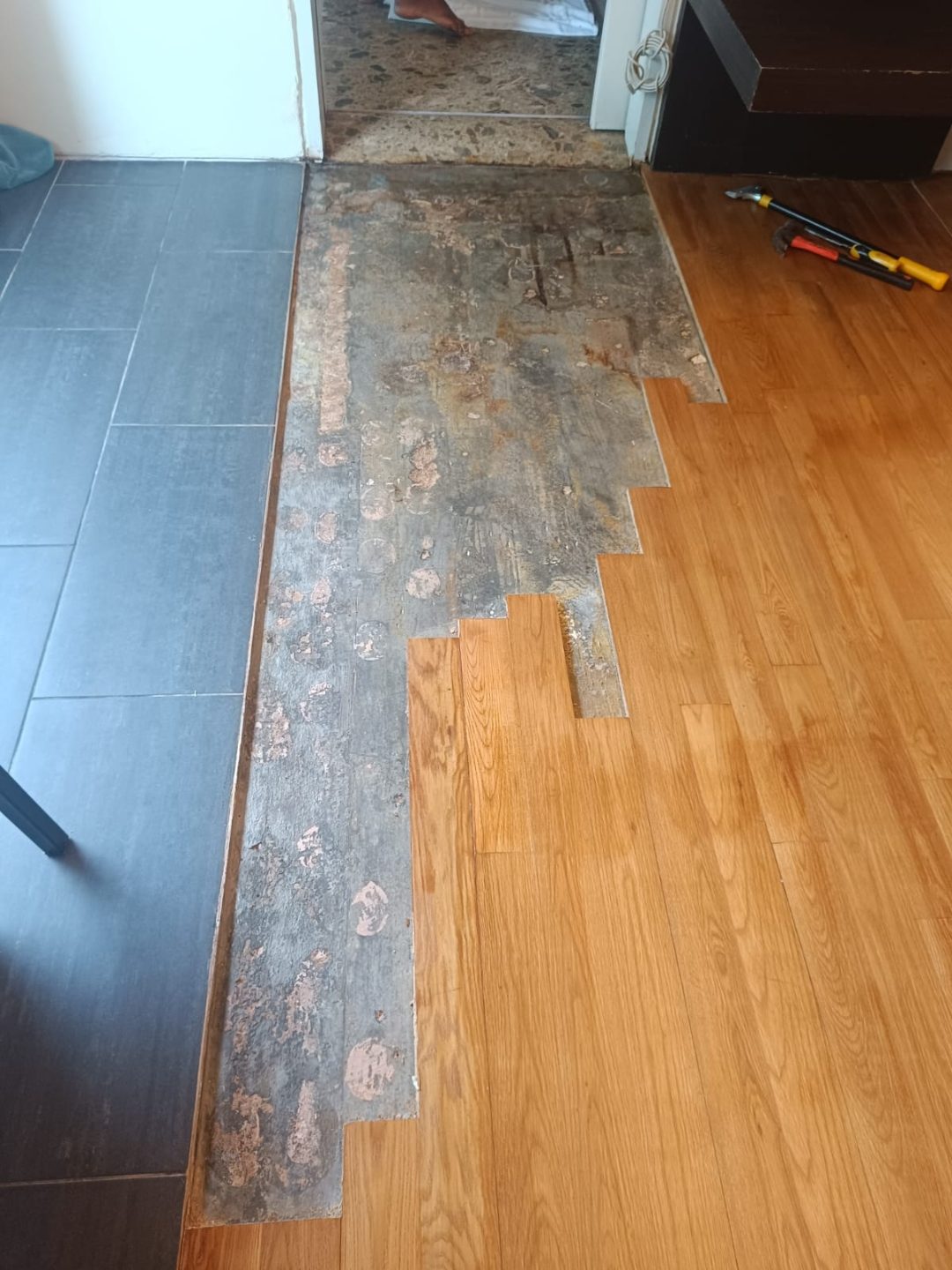
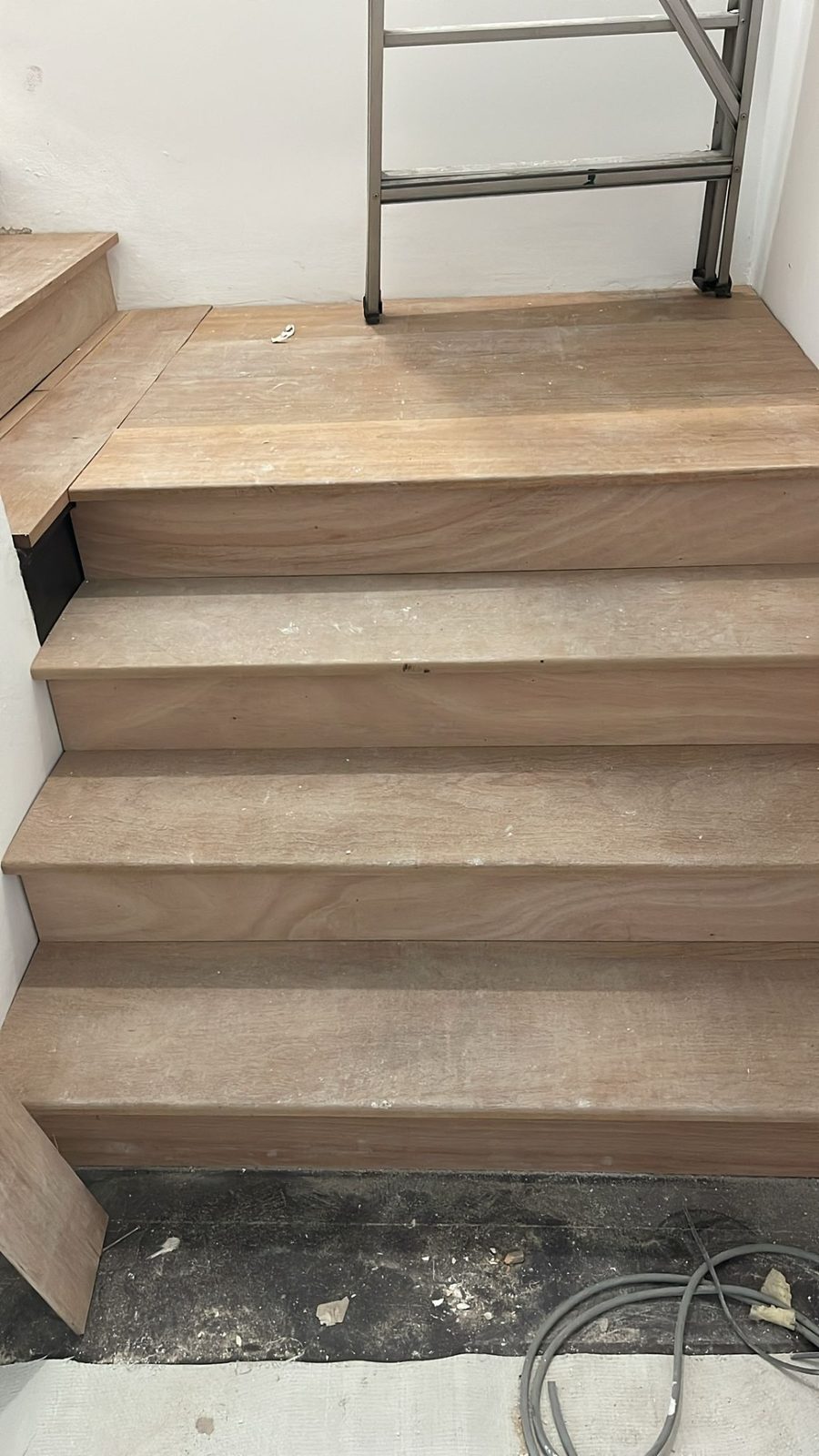
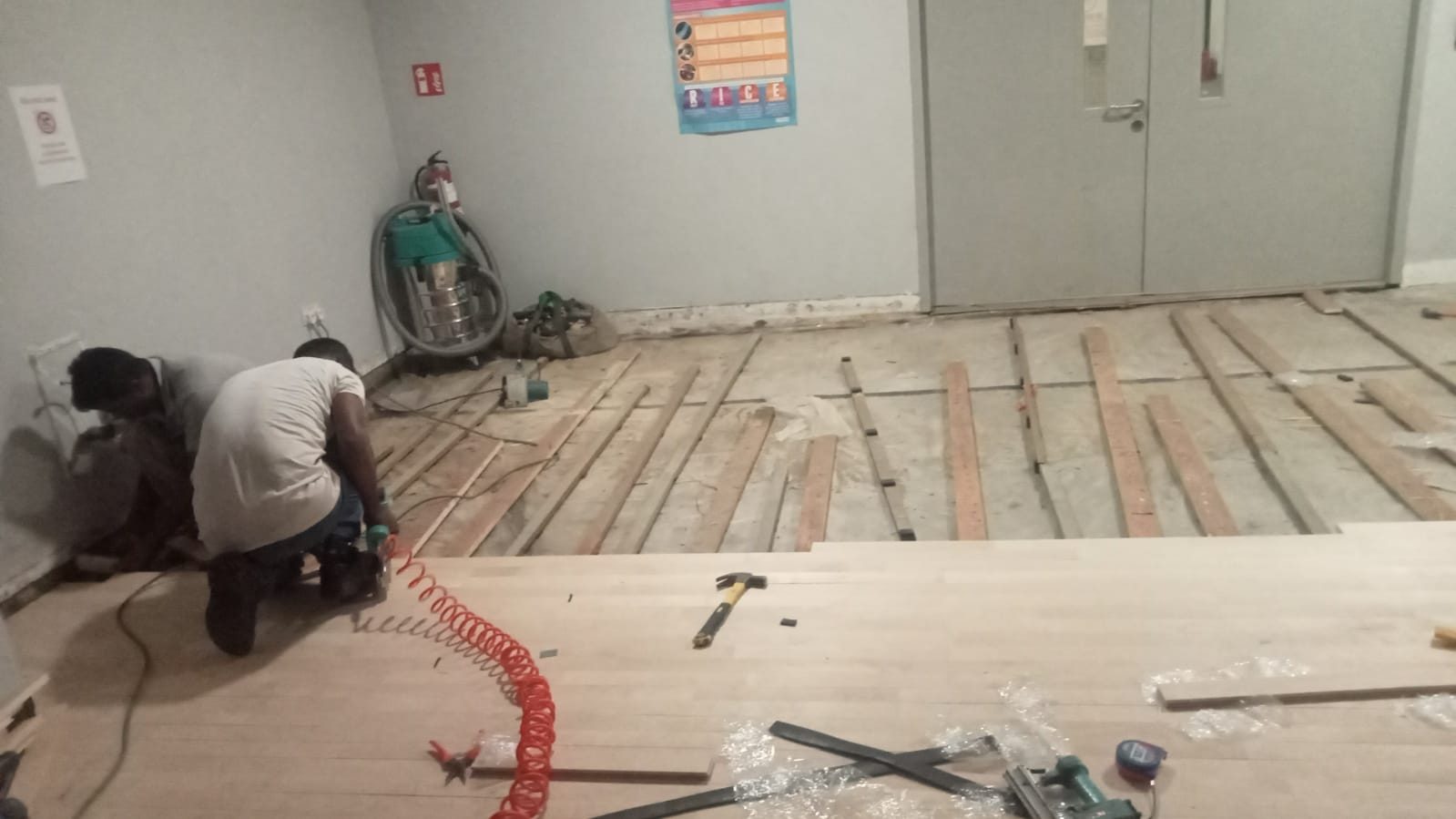
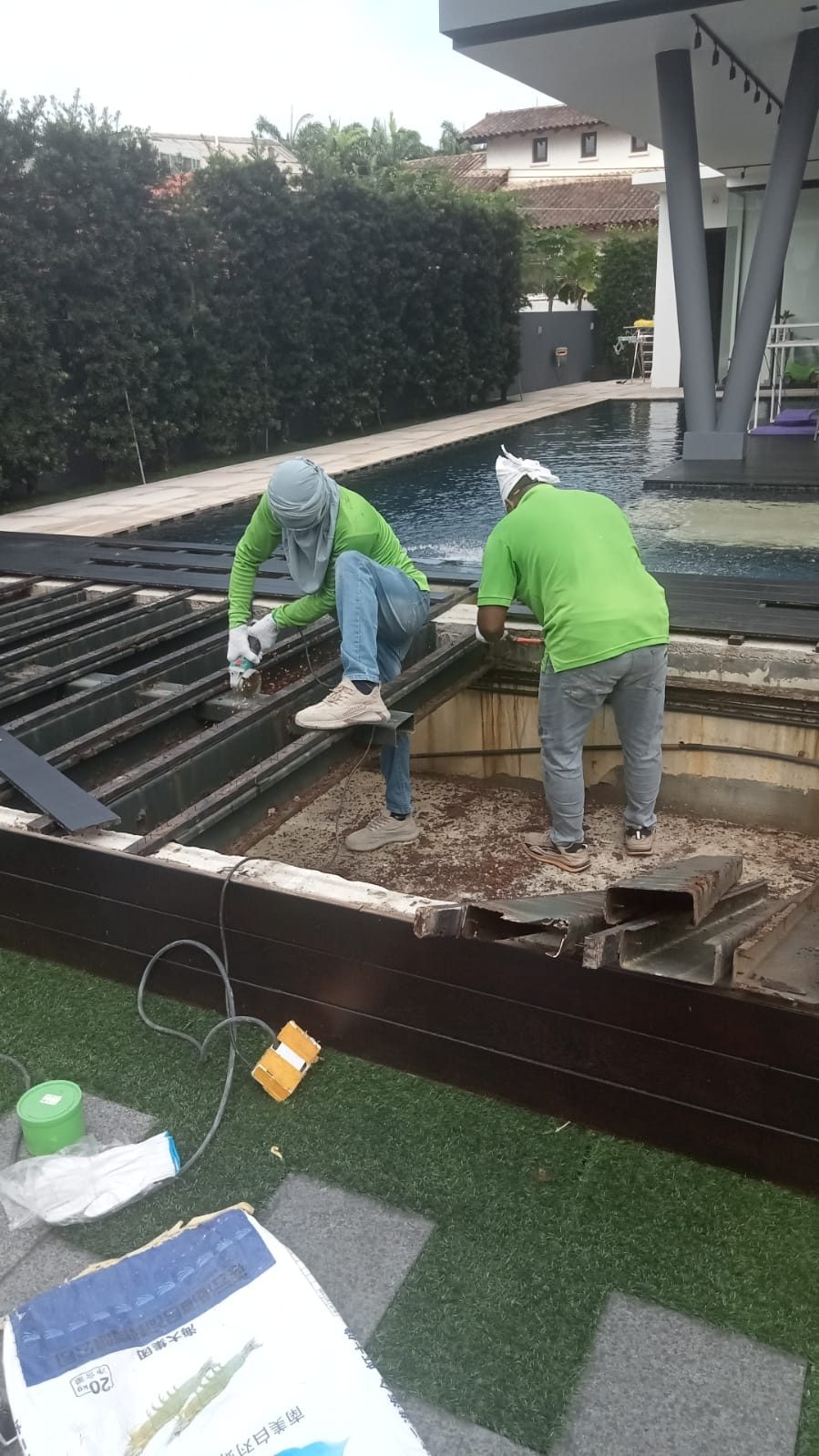
Timber moisture content is checked at delivery and again on site before laying, consistent with the practical guidance in ASTM D4442 (moisture content of wood). On concrete subfloors the slab is checked for flatness, laitance and residual moisture; in-situ relative humidity testing of the type described in ASTM F2170 is referenced, together with the preparation steps in ASTM F710. The broader code of practice for timber in buildings, SS 572, is used as a Singapore reference.
Wood flooring characteristics
Species, density, grade and dimensional behaviour follow the characteristics framework in EN 14342 (wood flooring — characteristics, evaluation of conformity and CE marking). Performance context for finished wood floor surfaces (wear, indentation, slip and bond) is referenced against ASTM D2394, applied selectively to the relevant project type rather than as a blanket certification claim.
Sanding and varnishing
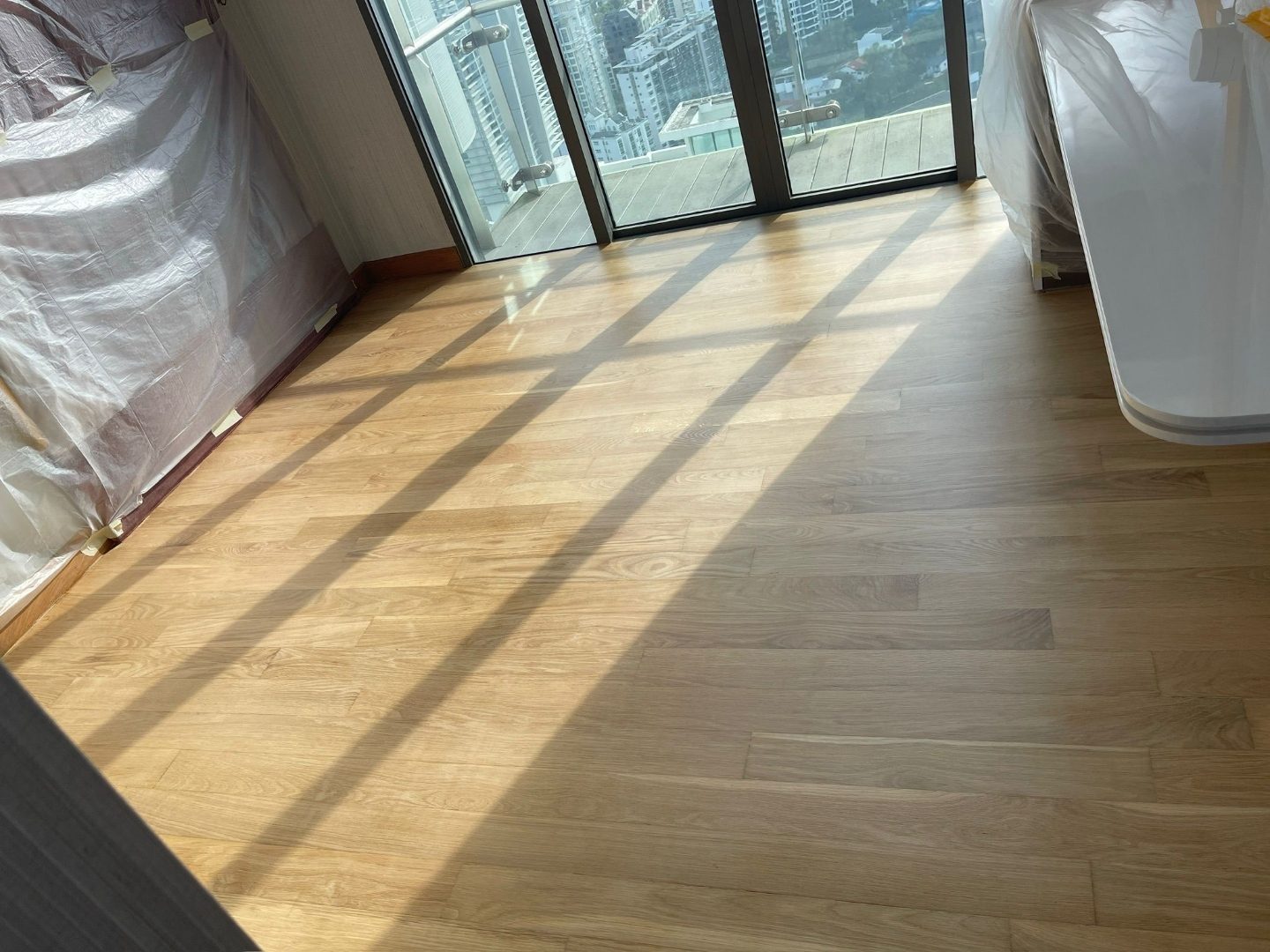
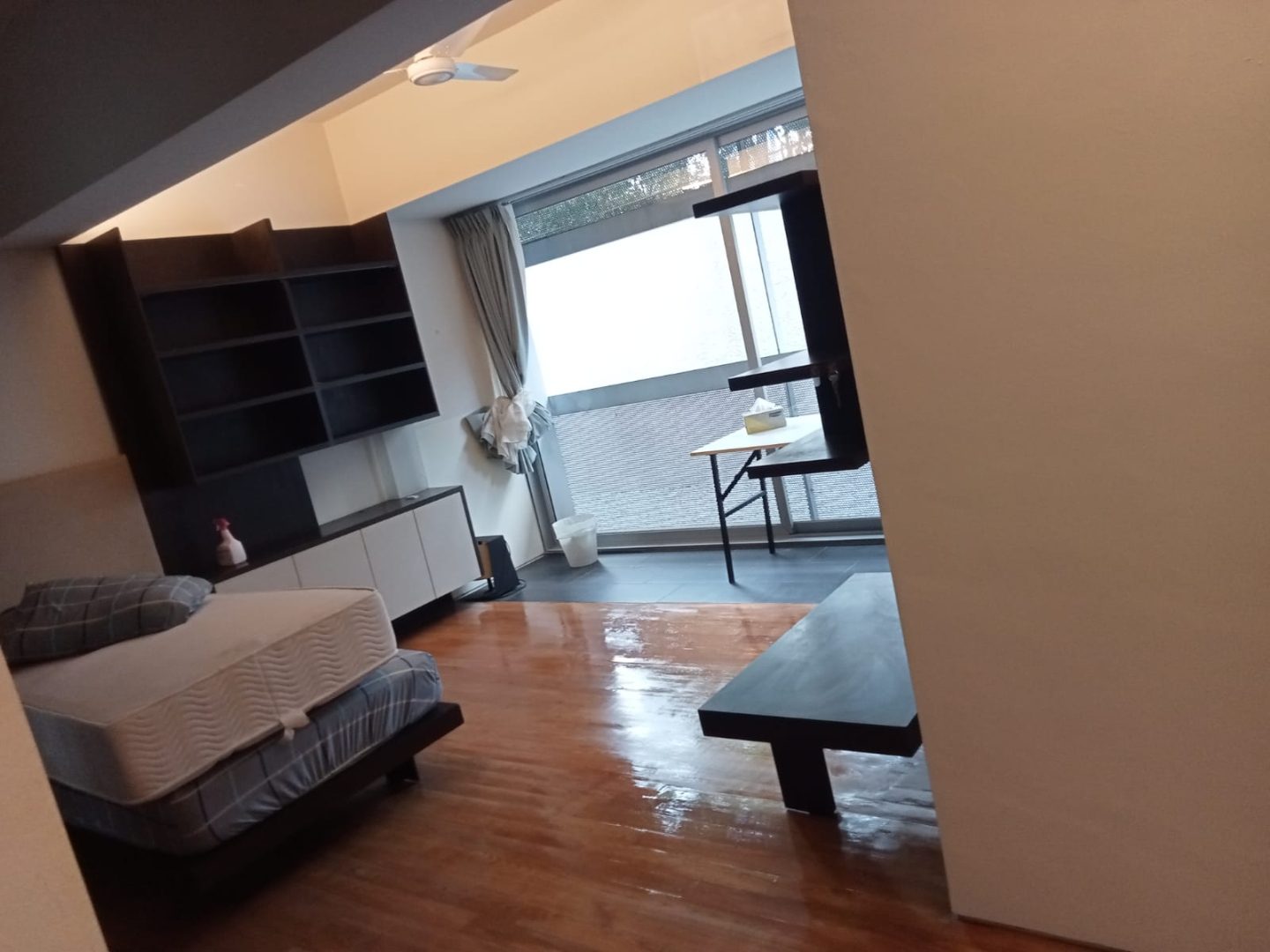
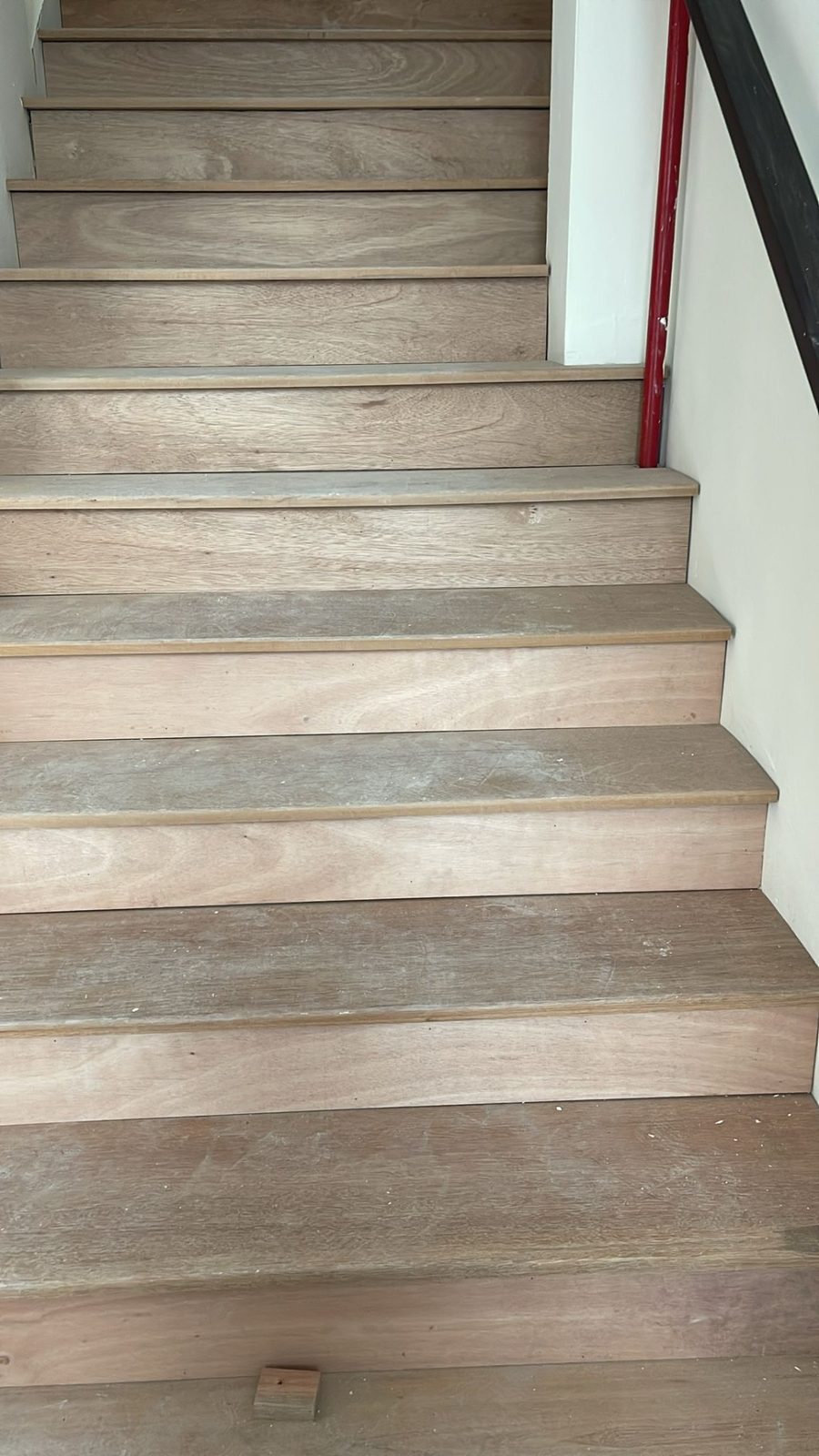
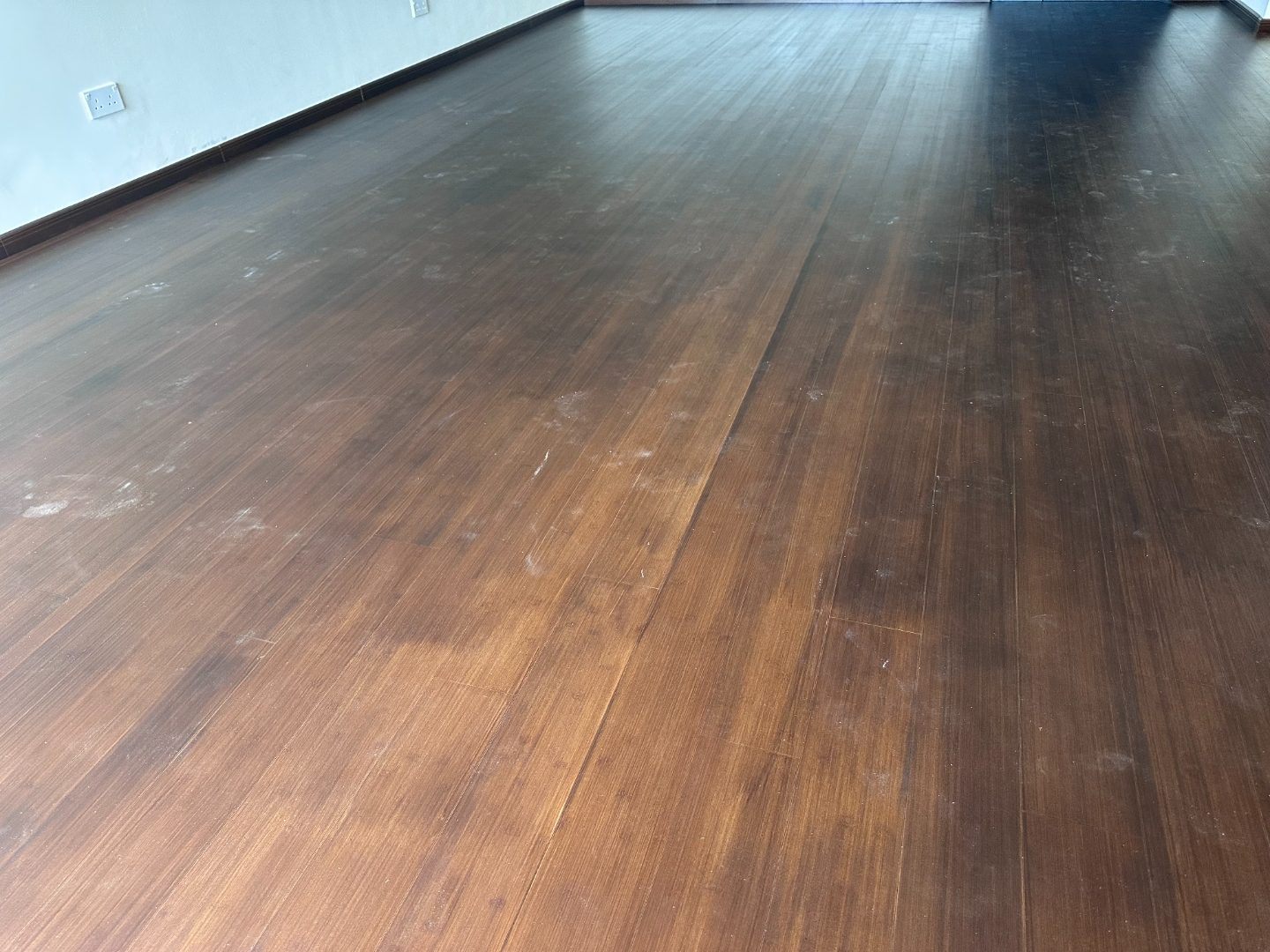
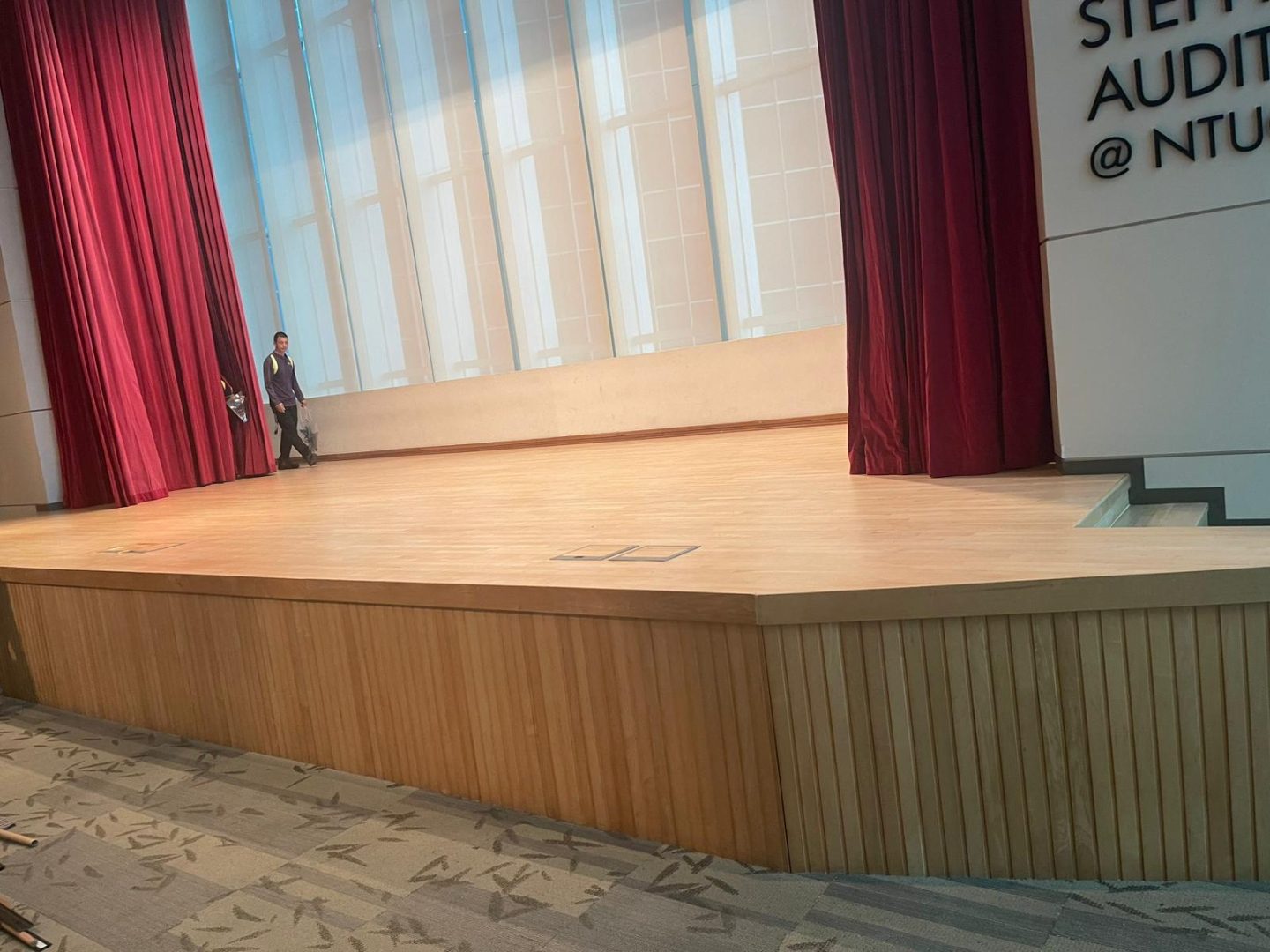
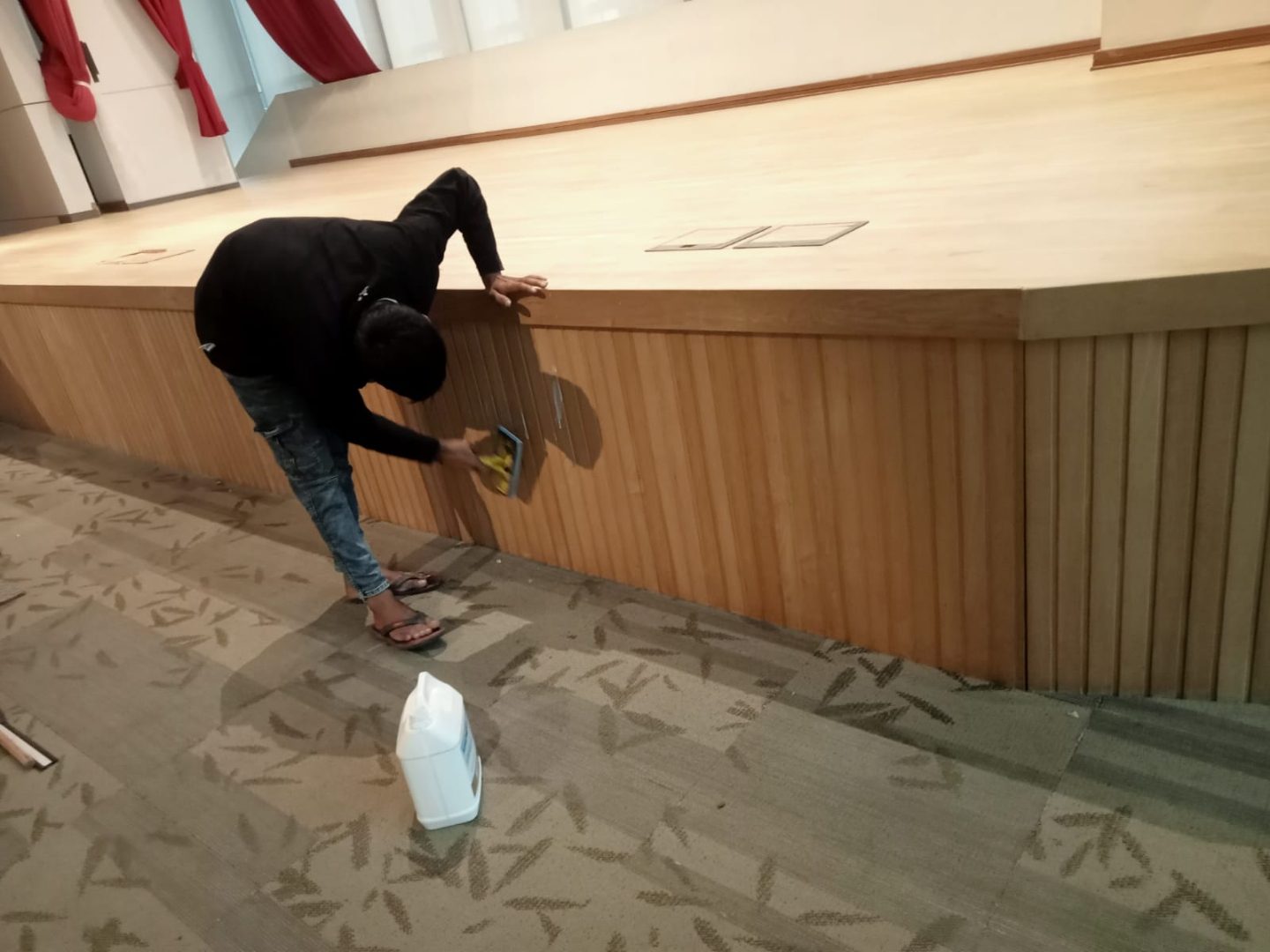
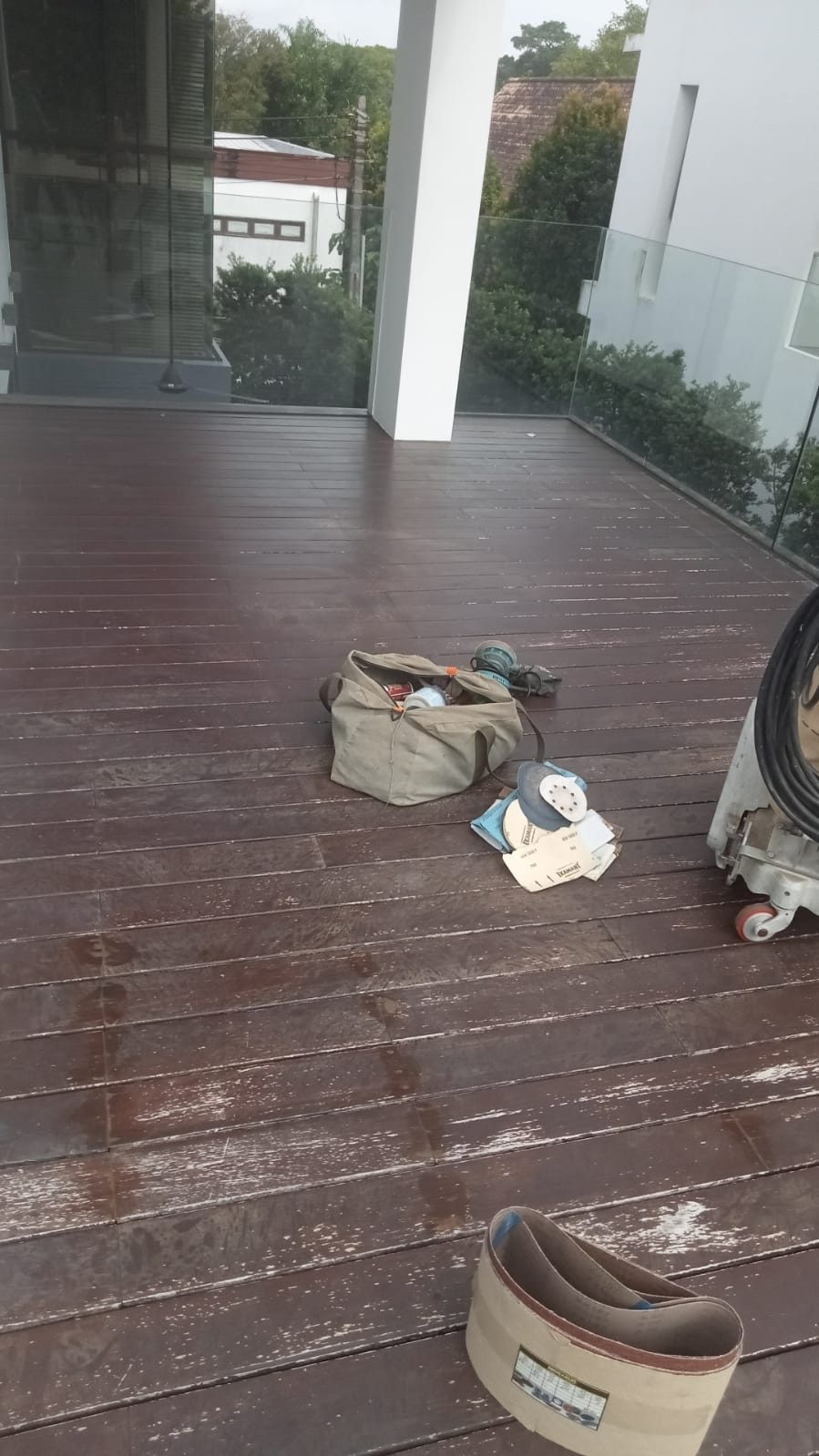
Sanding runs a progressive grit sequence (typically 36 → 60 → 80 → 100/120) with drum, edge and buffer passes, vacuum-extracted to keep airborne dust low. Coating systems are applied per the manufacturer’s technical data sheet; the practical industry guidance in AS 4786.2 (timber flooring — sanding and coating) is used as a working reference for grit sequence, recoat windows and surface condition before sign-off.
Slip resistance and outdoor decking
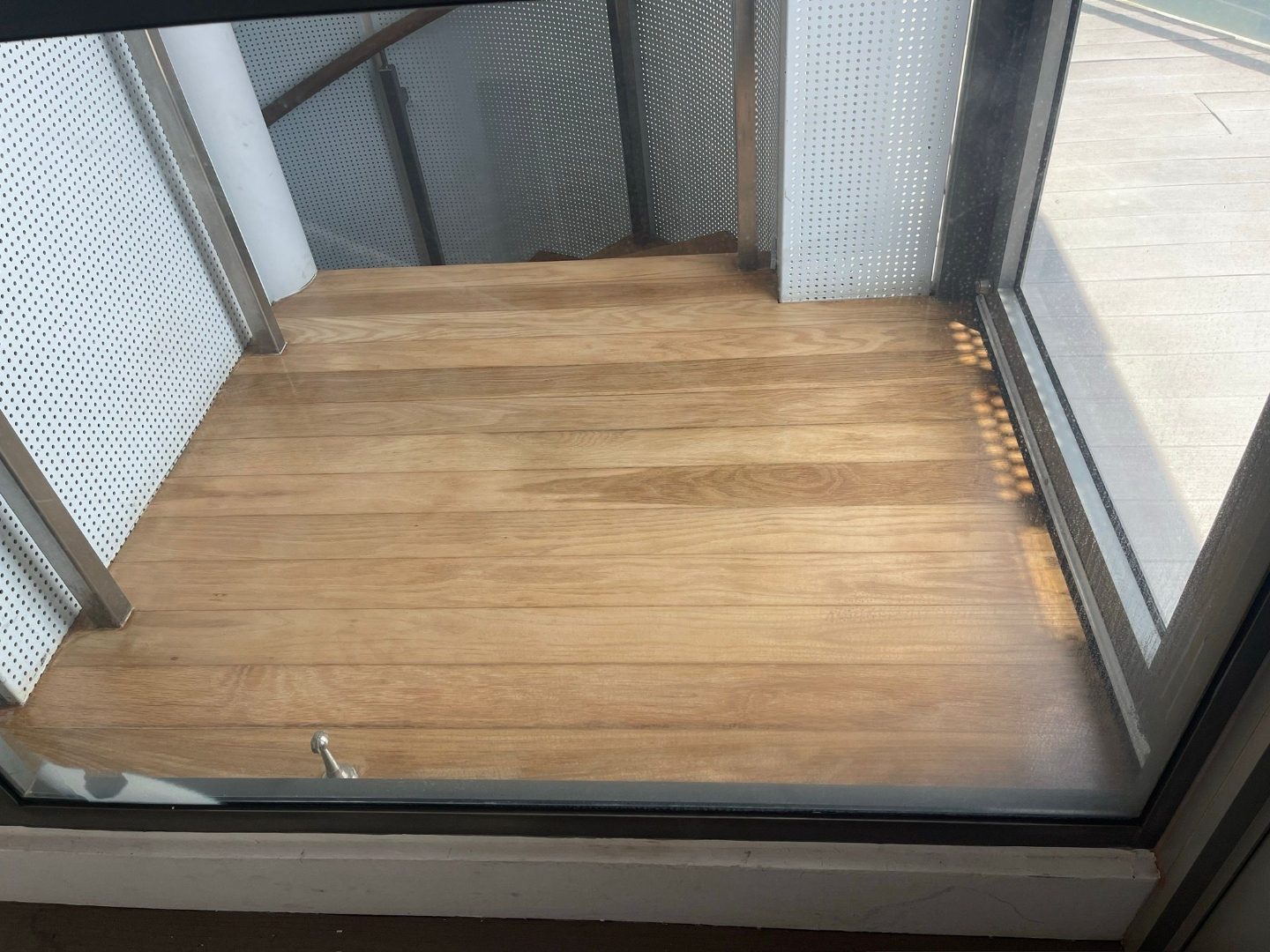
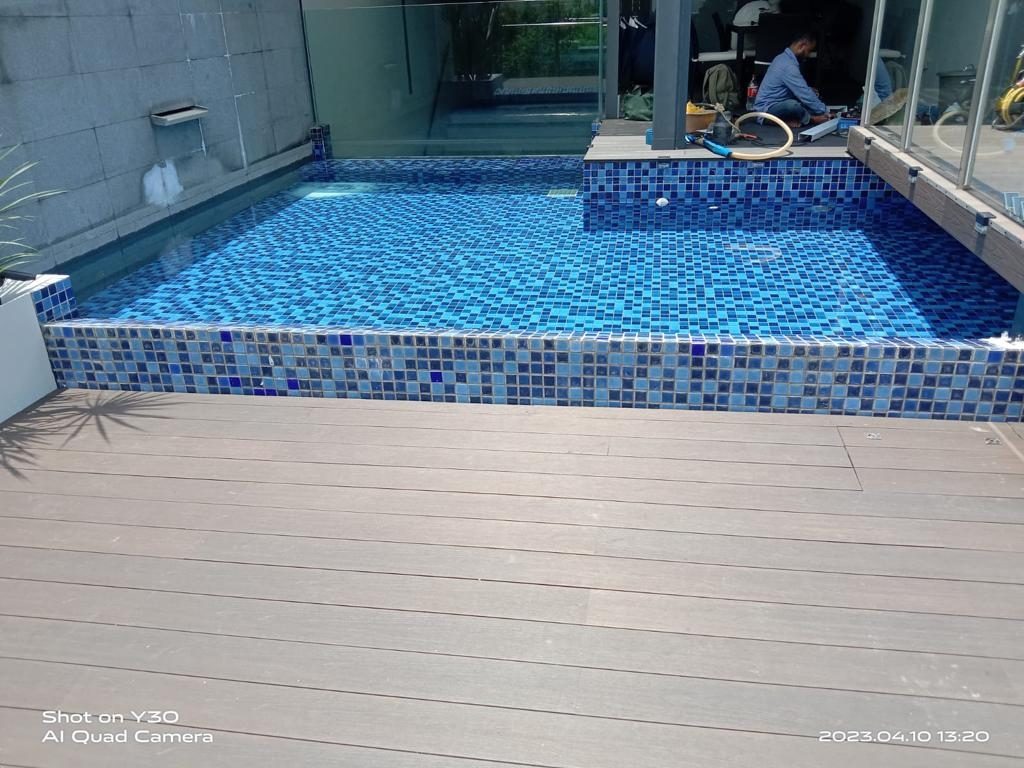
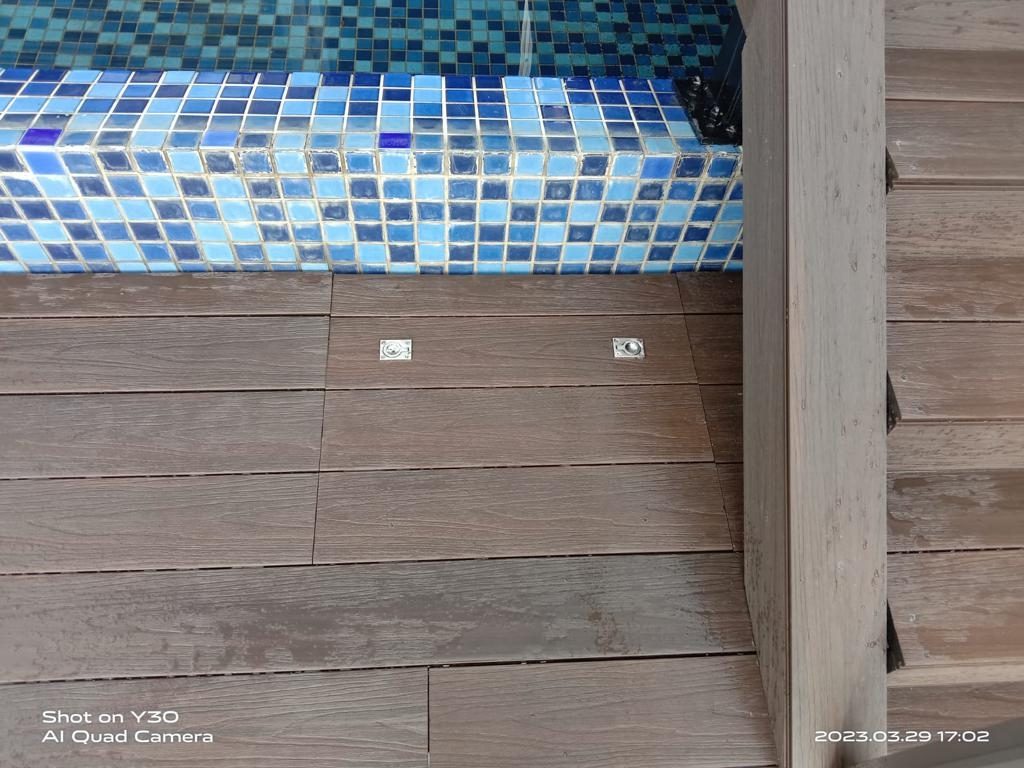
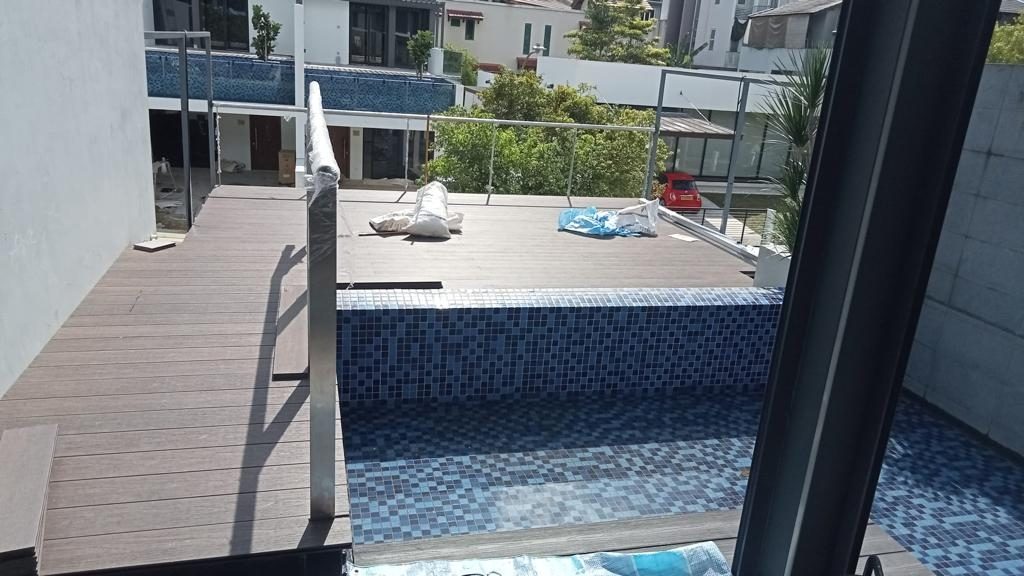
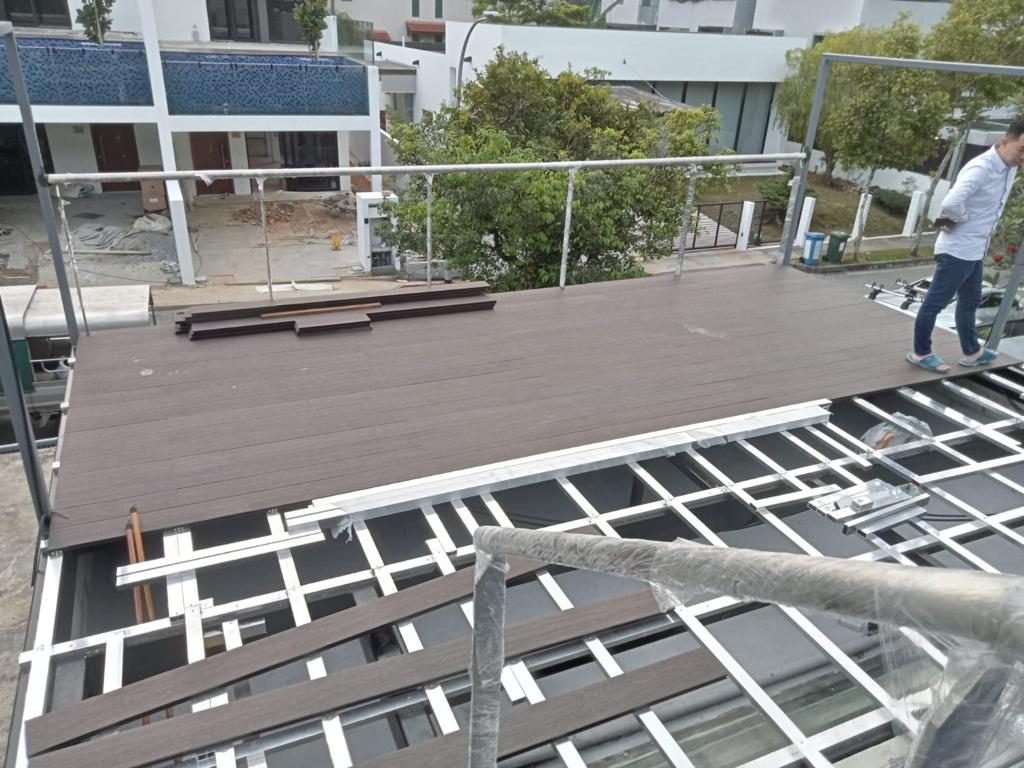
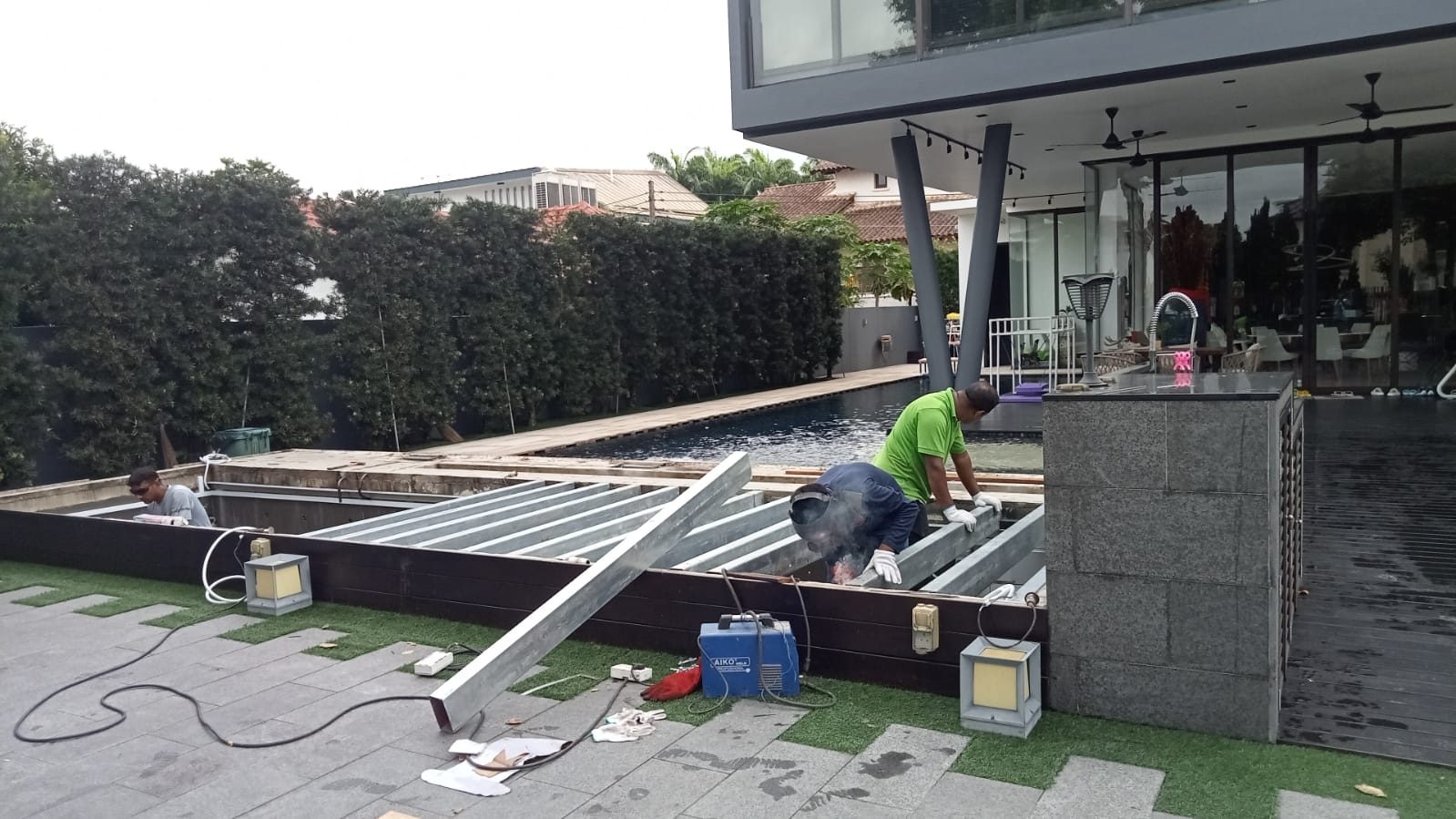
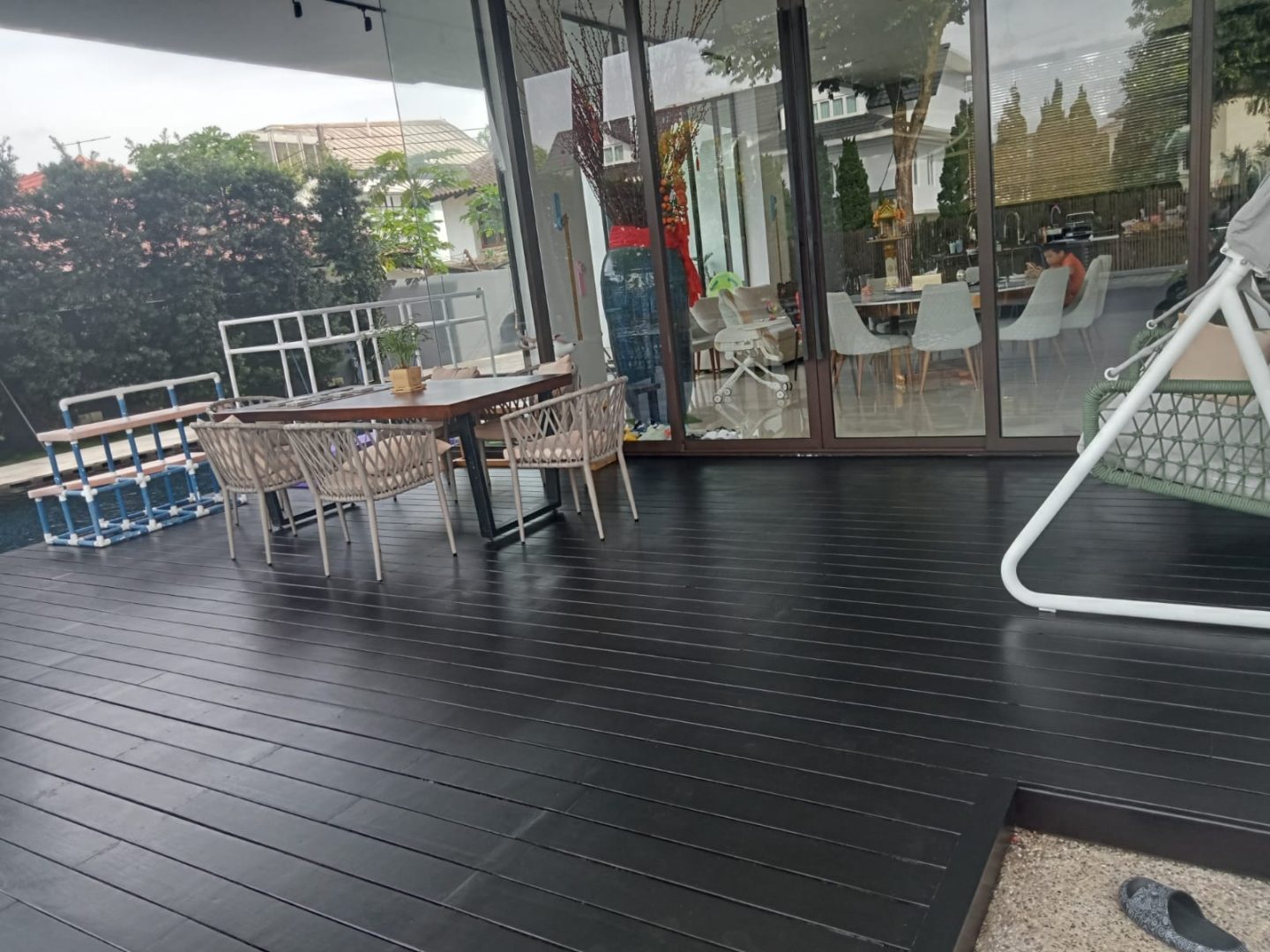
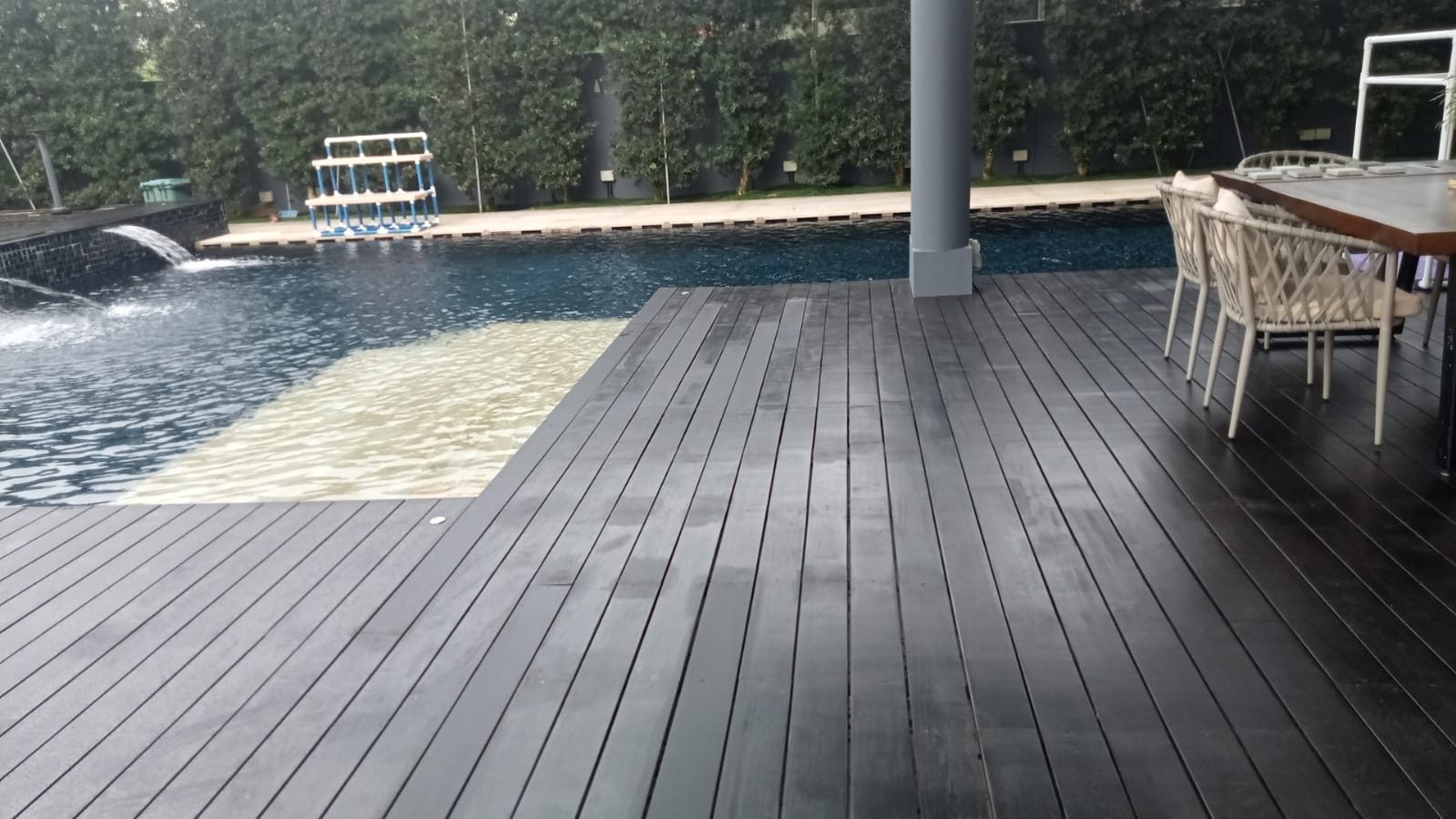
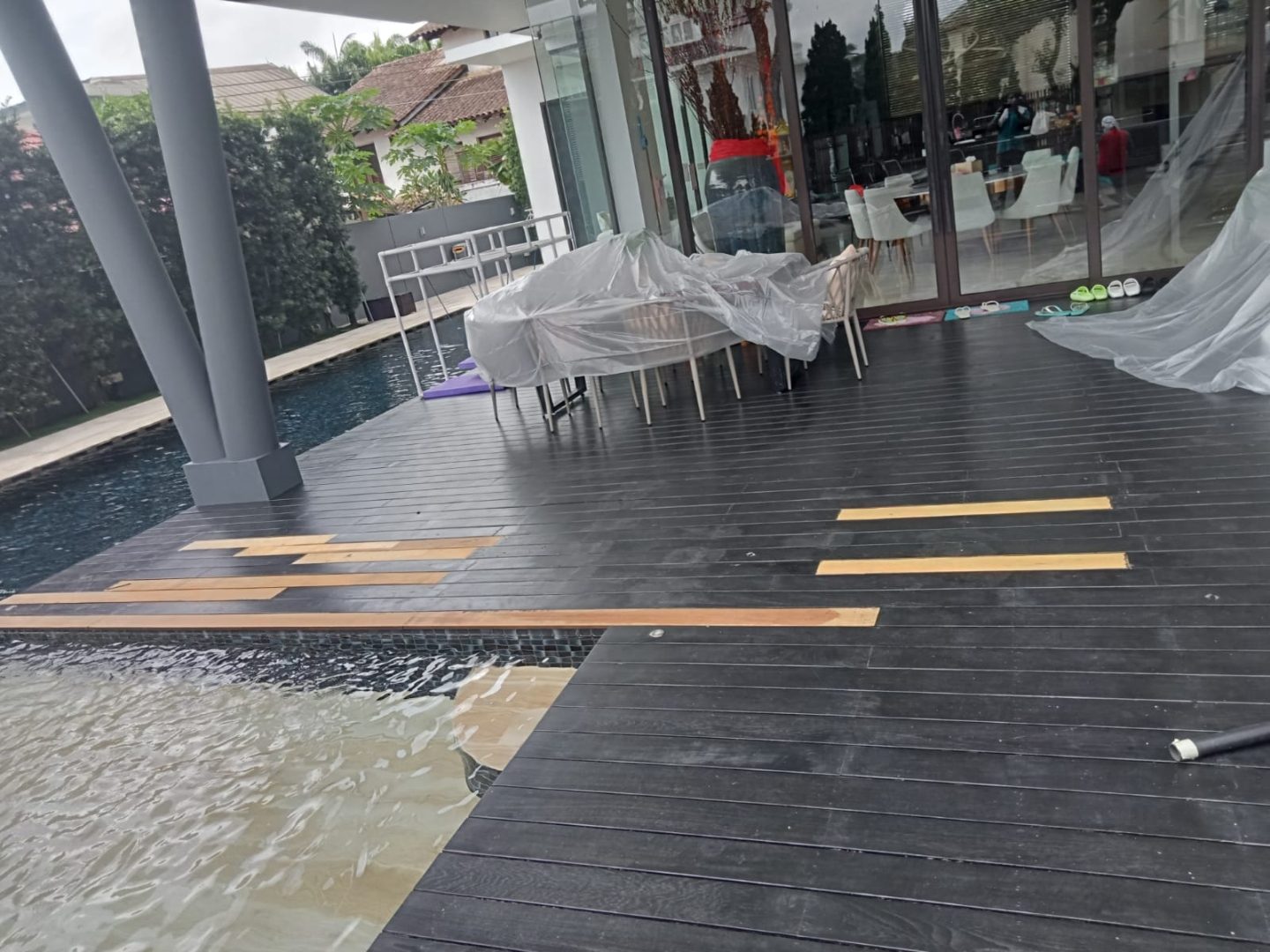
For public, sports or wet-risk surfaces, slip-resistance classification under SS 485 is considered when choosing the finish system. Exterior wood decking work uses outdoor-grade coatings with documented UV and rain performance rather than a generic clear varnish.
Indoor sports halls and court marking
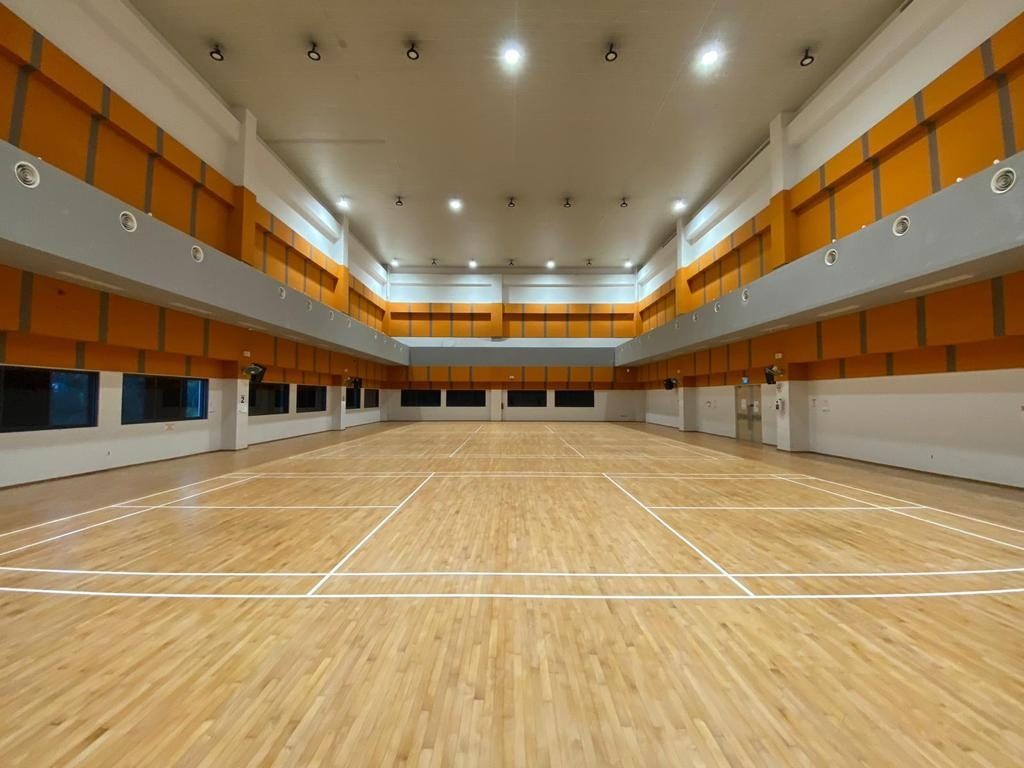
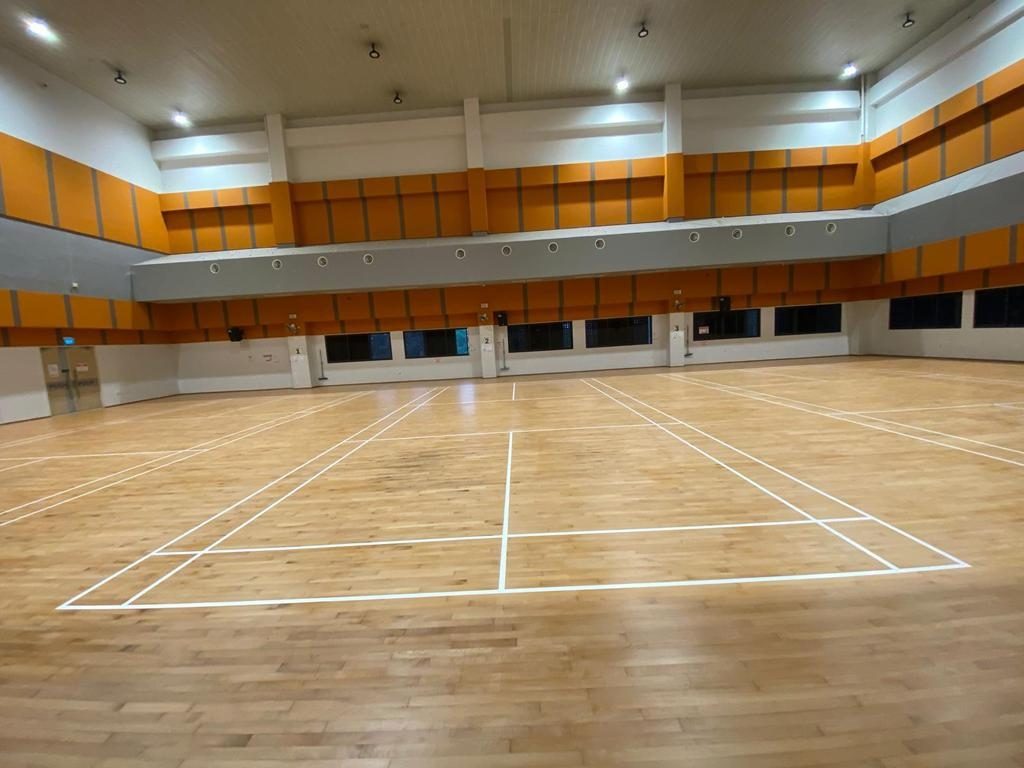
On sports halls, the layout and finish reference framework from EN 14904 (indoor sports surfaces) is used as working guidance for line setout, line geometry and finish-coat thickness over court markings. We do not claim certified EN 14904 compliance on refurbishment scopes unless a tested system and report is in place.
References are cited by document name. Public, official copies of standards are not redistributed — the original standards bodies (CEN, Standards Australia, ASTM, Enterprise Singapore) remain the authoritative source.